

Maria Benz transformed herself into Nusch Éluard, becoming one of Surrealism’s most captivating figures. More than just a muse, she embodied the movement’s ideals of freedom, beauty, and mystery. Her story reveals a complex woman who navigated between reality and myth, leaving behind a legacy that continues to fascinate art lovers today.
From her humble beginnings in Alsace to her tragic death at forty, Nusch’s life reads like a surrealist dream itself. She inspired some of the 20th century’s greatest artists, including her husband Paul Éluard, photographer Man Ray, and even Pablo Picasso. Yet behind the iconic photographs and passionate poetry lies a woman whose true identity remains tantalizingly elusive.
This exploration of Nusch Éluard reveals how she became the face of Surrealism during its golden age, the relationships that shaped her legend, and the artistic collaborations that cemented her place in art history. Her story illuminates not just one remarkable life, but the entire cultural moment that created modern art’s most enduring myths.
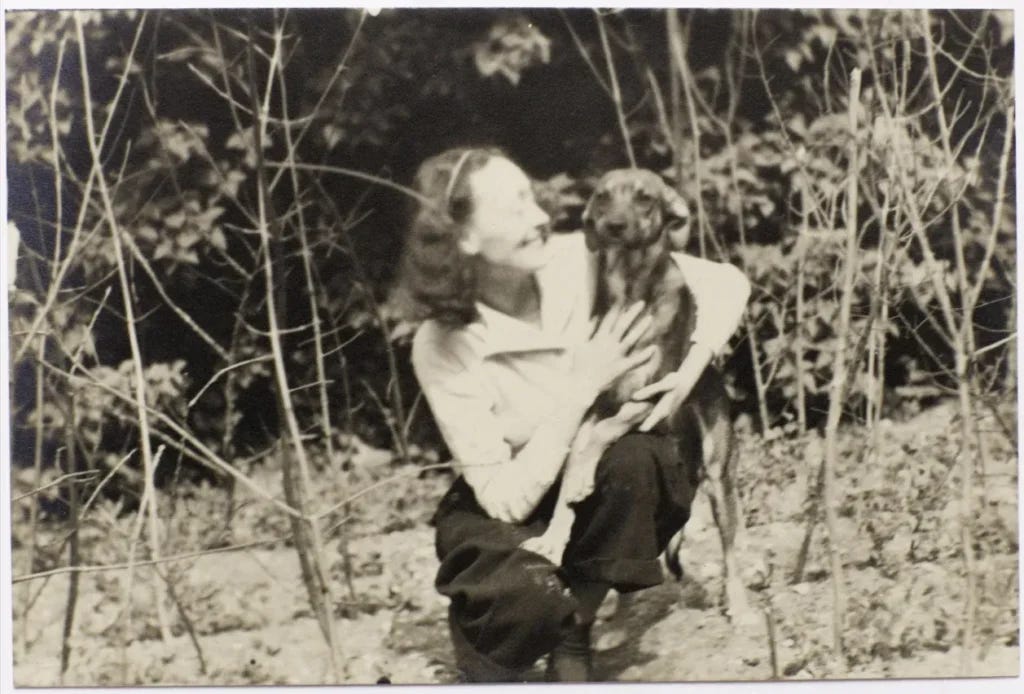
From Maria Benz to Nusch: The Making of a Muse
Maria Benz was born on June 21, 1906, in Mulhouse, Alsace—though even this basic fact carries uncertainty. The region’s civil records suffered wartime destruction, and family testimonies contradict each other. Maria herself would later contribute to the mystery, adopting different versions of her origins depending on the circumstances.
Her father worked in textiles, her mother ran a small shop. The family belonged to that provincial bourgeoisie weakened by the Great War. Maria grew up in newly French Alsace, a territory where identities were negotiated. She learned German and French with equal fluency—a linguistic flexibility that perhaps foreshadowed her later ability to embrace metamorphosis.
Mina Loy: The Radical Life of a Modernist Rebel
She was a poet, artist, and feminist firebrand who defied convention. Explore the extraordinary life and lasting influence of the elusive Mina Loy.
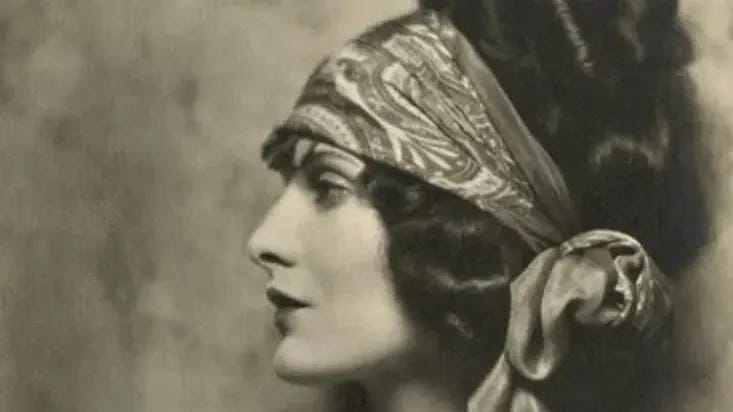
Surrealist biographers have reconstructed a difficult childhood, with stories of Maria fleeing the family home or working in fairgrounds and Parisian cabarets. These tales—whether as an exotic dancer, occasional prostitute, saleswoman, or nightclub hostess—remain largely unsubstantiated. They participate in the surrealist mythology that privileged romantic destinies over ordinary paths.
What emerges with certainty is Maria’s arrival in Paris around 1928. She was twenty-two years old, possessing that particular beauty sought by photographers of the era—neither conventional nor spectacular, but one that revealed itself under the camera lens rather than imposing itself at first glance.
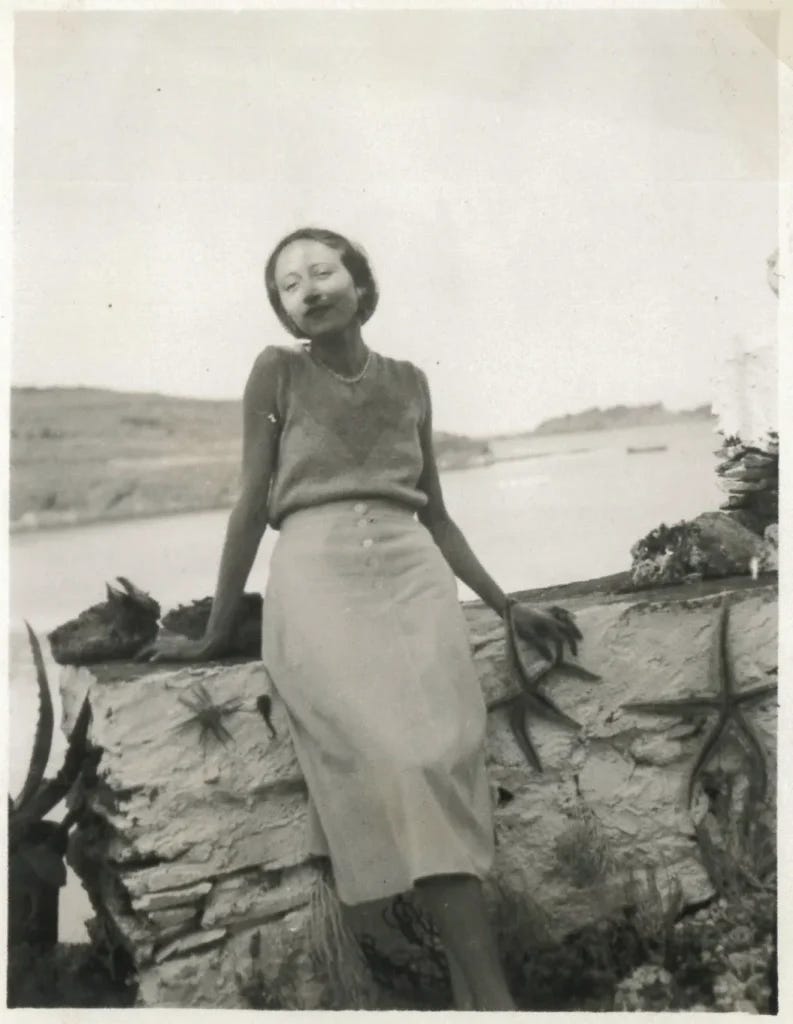
The Legendary Meeting with Paul Éluard
The encounter between Maria and Paul Éluard exists in multiple legendary versions. Man Ray claimed to have introduced them at a party in 1929. Éluard placed their first meeting in a Montparnasse café. Maria herself never shared her version of events.
Paul Éluard was thirty-four, emerging from a difficult marriage with Gala, who had left him for Salvador Dalí. The poet was going through a period of creative and romantic doubt. His meeting with Maria came at a moment when he sought to renew his inspiration.
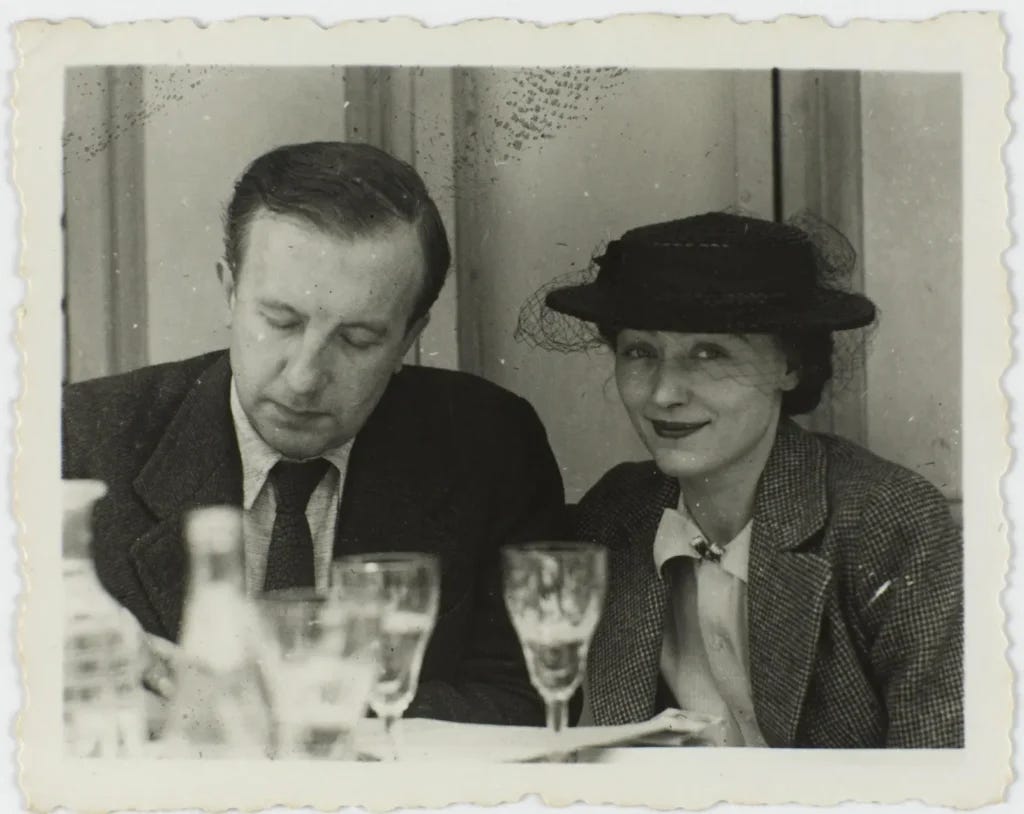
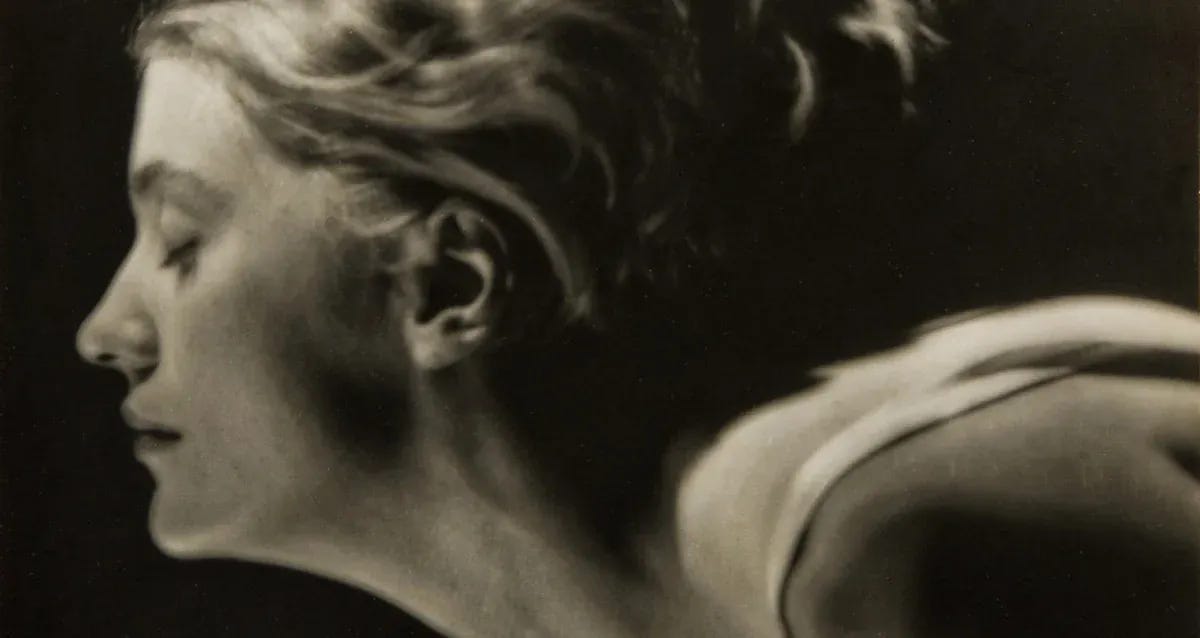
Man Ray began photographing Maria in 1930. These first shots revealed a woman who knew how to inhabit the objective lens. She didn’t pose—she inhabited the image. This capacity to transform before the camera would become one of her defining characteristics. Man Ray immediately understood the potential of this new model.
The transformation of Maria into Nusch occurred gradually. The nickname came from Éluard, evoking a Slavic sweetness that the poet projected onto this woman of Alsatian origin. This name change accompanied Maria’s entry into the surrealist universe. She abandoned her civil identity to become a creature of the group’s collective imagination.
Entering the Surrealist Circle: The Diaphanous Icon
In 1934, Paul Éluard married Maria, and she officially became Nusch Éluard. This union marked her definitive entry into the surrealist circle. Nusch succeeded Nadja in the movement’s iconography, but where Nadja embodied the mysterious and fragile woman-child, Nusch represented the solar and accessible woman.
André Breton welcomed this newcomer favorably. Nusch possessed that quality the surrealist leader appreciated in women: she inspired without claiming recognition. She stimulated masculine creation without pretending to create herself. This posture perfectly matched the group’s expectations of its muses.
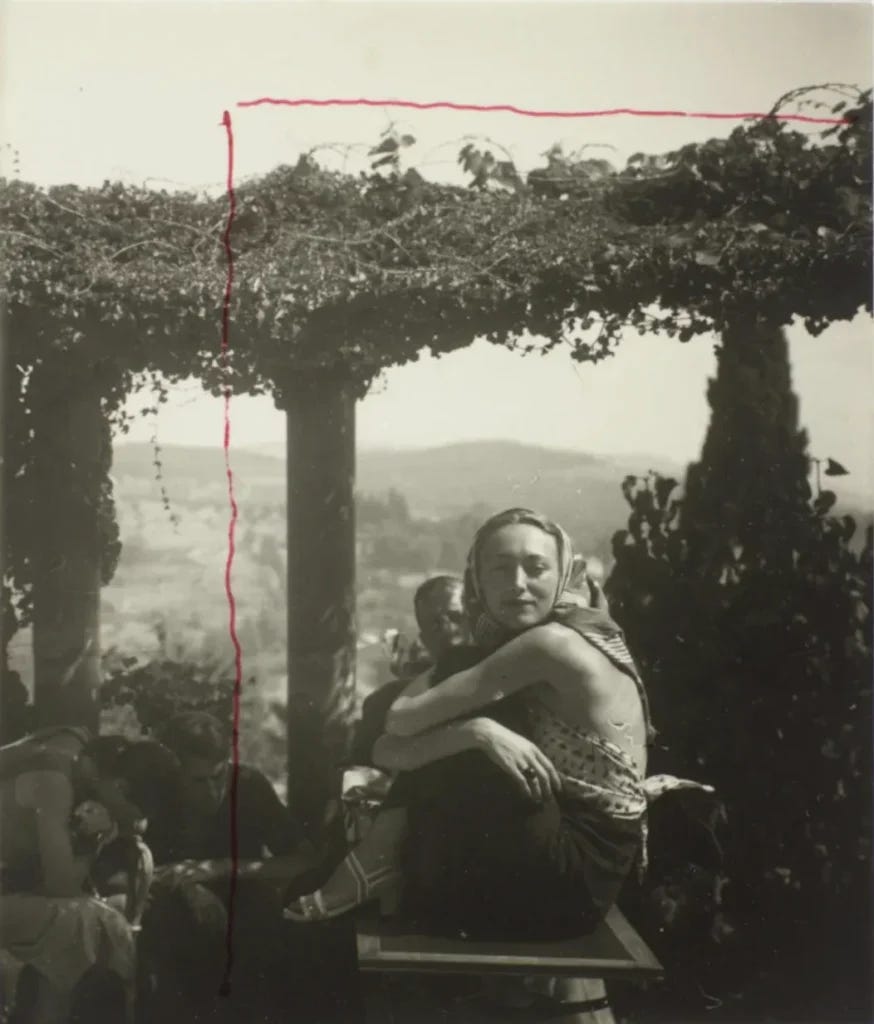
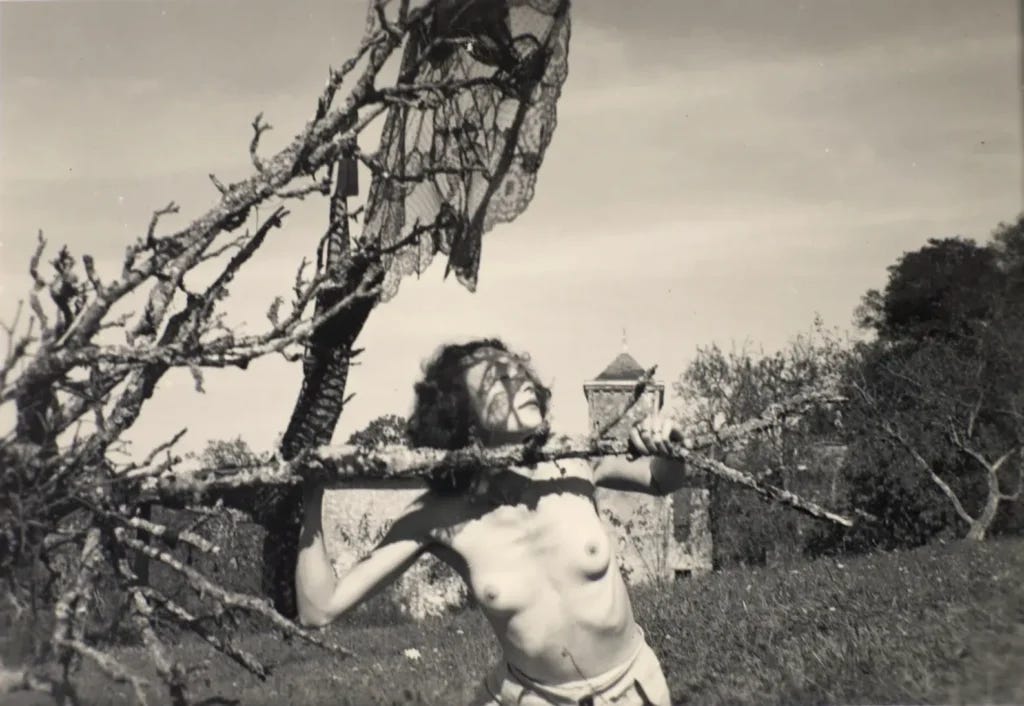
Nusch quickly developed her own aesthetic. She favored simple outfits that highlighted her slender silhouette. Her wavy hair, often loose, created a luminous halo around her face. This aesthetic research didn’t stem from vanity but from a genuine visual strategy. Nusch understood that she needed to embody a plastic ideal.
The other group members quickly adopted Nusch. She possessed that natural sociability that facilitated relationships. Unlike other artists’ companions, she didn’t provoke jealousy. Her presence soothed rather than divided. This harmony contributed to making her the consensual icon of 1930s Surrealism.
The Unconquerable Mind of Leonora Carrington
Discover the life of Leonora Carrington, from her rebellious youth and fateful romance with Max Ernst to her rebirth as a pioneering feminist artist in Mexico.
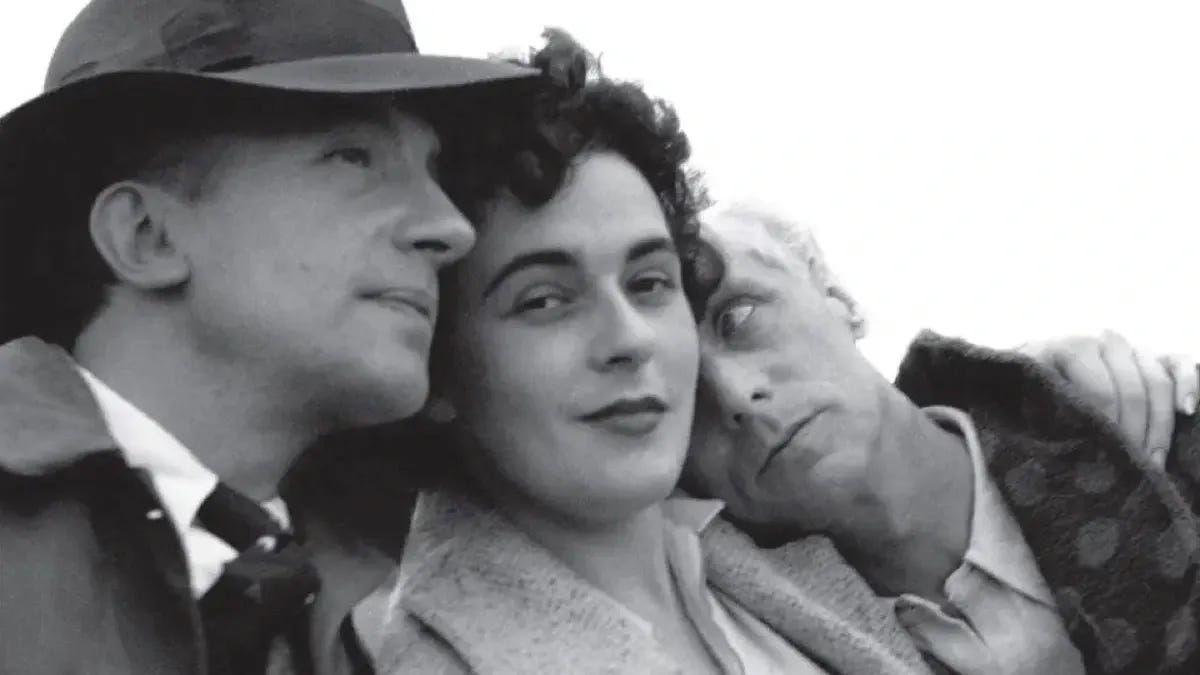
The Creation of Facile: Art and Intimacy Intertwined
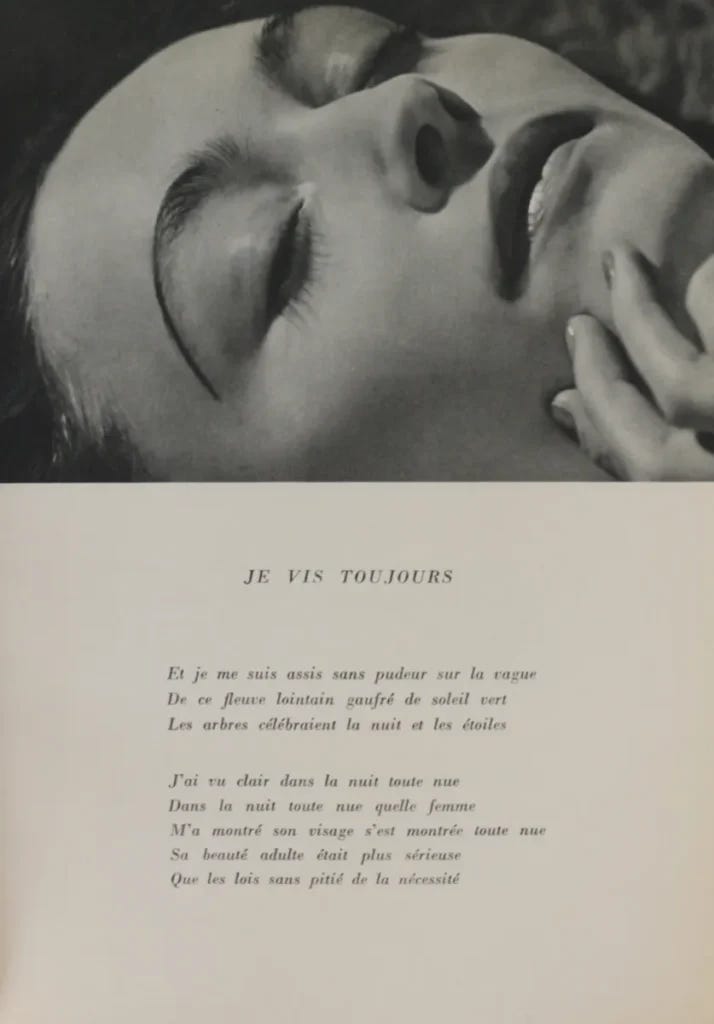
In 1935, Facile was published, definitively establishing Nusch as a surrealist muse. This book resulted from a triangular collaboration between Paul Éluard, Man Ray, and Nusch herself. The poet wrote, the photographer captured, the muse offered herself. This distribution of roles masked a more complex reality.
Nusch actively participated in developing the project. She suggested poses, influenced framing, proposed variations. Her body became the territory of collective aesthetic exploration. Man Ray’s photographs revealed a woman who perfectly mastered the codes of erotic representation.
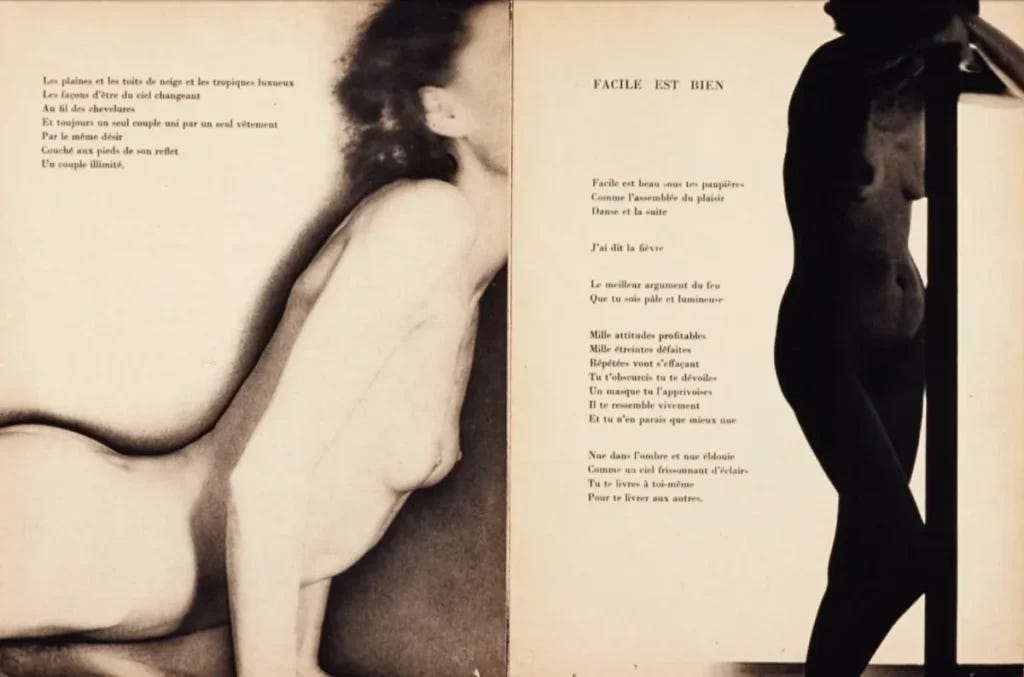
Éluard’s poems celebrated Nusch’s sensuality without falling into obscenity. The poet found in this offered body a source of renewed inspiration. His poetry gained fluidity and sensuality. Facile marked a turning point in Éluard’s work, discovering a lyrical vein he would explore until the end of his life.
The book achieved scandalous success. The bourgeois critics were outraged by these artistic nudes. This controversial reception reinforced Nusch’s notoriety. She became the embodiment of surrealist freedom against moral conventions—an image that would stick to her for the rest of her days.
The Libertin Summer of Mougins, 1937
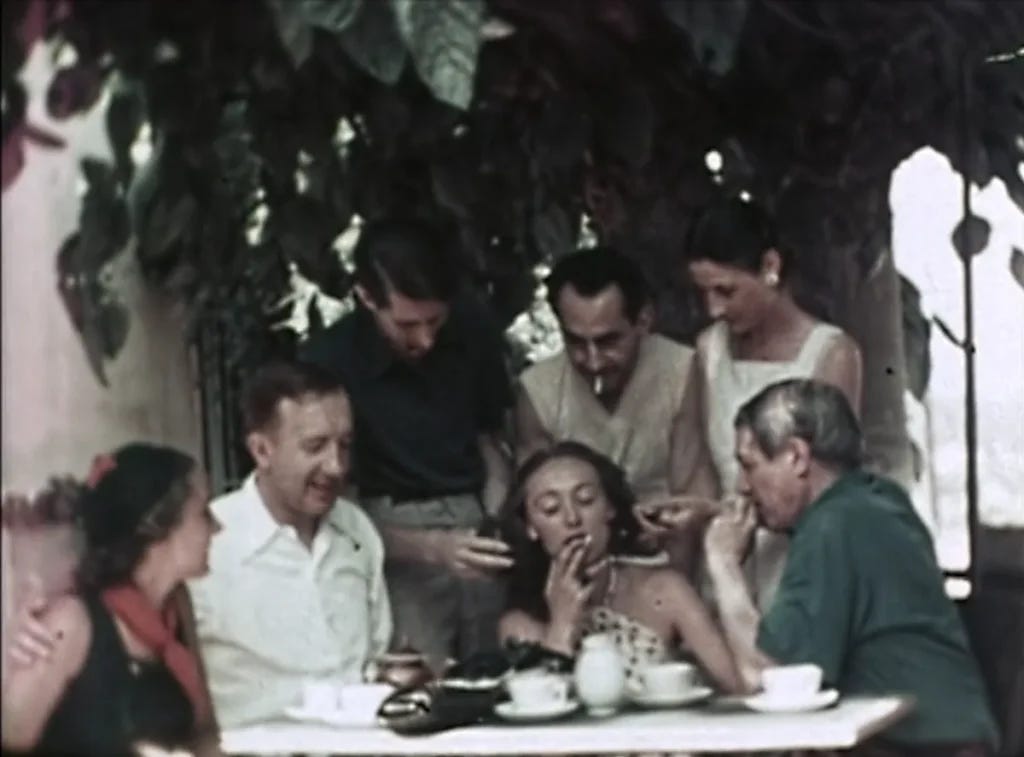
The summer of 1937 marked the pinnacle of Nusch’s worldly fame. She participated in the famous Mougins sojourn that brought together European artistic elite around Picasso. An enchanted and libertarian parenthesis in a world about to tip into chaos—the summer when Picasso, Lee Miller, Man Ray, Éluard, and others reinvented the art of living between authentic creations and personal ambitions.
A Surrealist Paradise on the Brink of War
Step into the summer of 1937 in Mougins, where Picasso, Lee Miller, and Man Ray created a surrealist paradise on the brink of war. Discover the story.
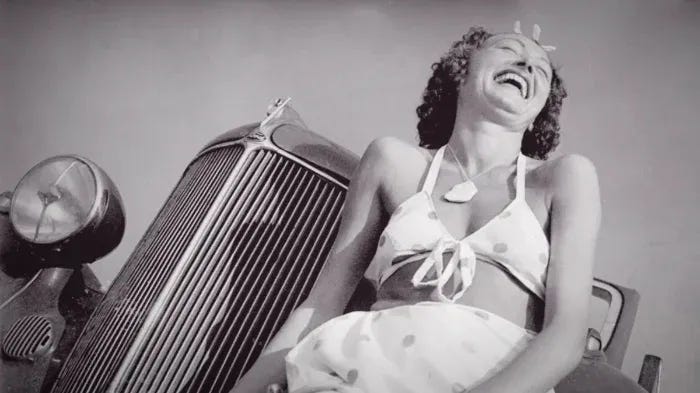
Nusch occupied a central position in this microcosm. She embodied surrealist hedonism against the threats accumulating in Europe. Her laughter punctuated conversations. Her presence brought welcome lightness to often grave discussions among these worried intellectuals.
Photographs from this period show a fulfilled Nusch. At thirty-one, her beauty reached its peak. She perfectly mastered her public image. These aristocratic vacation shots contrasted with the simplicity of her Alsatian origins.
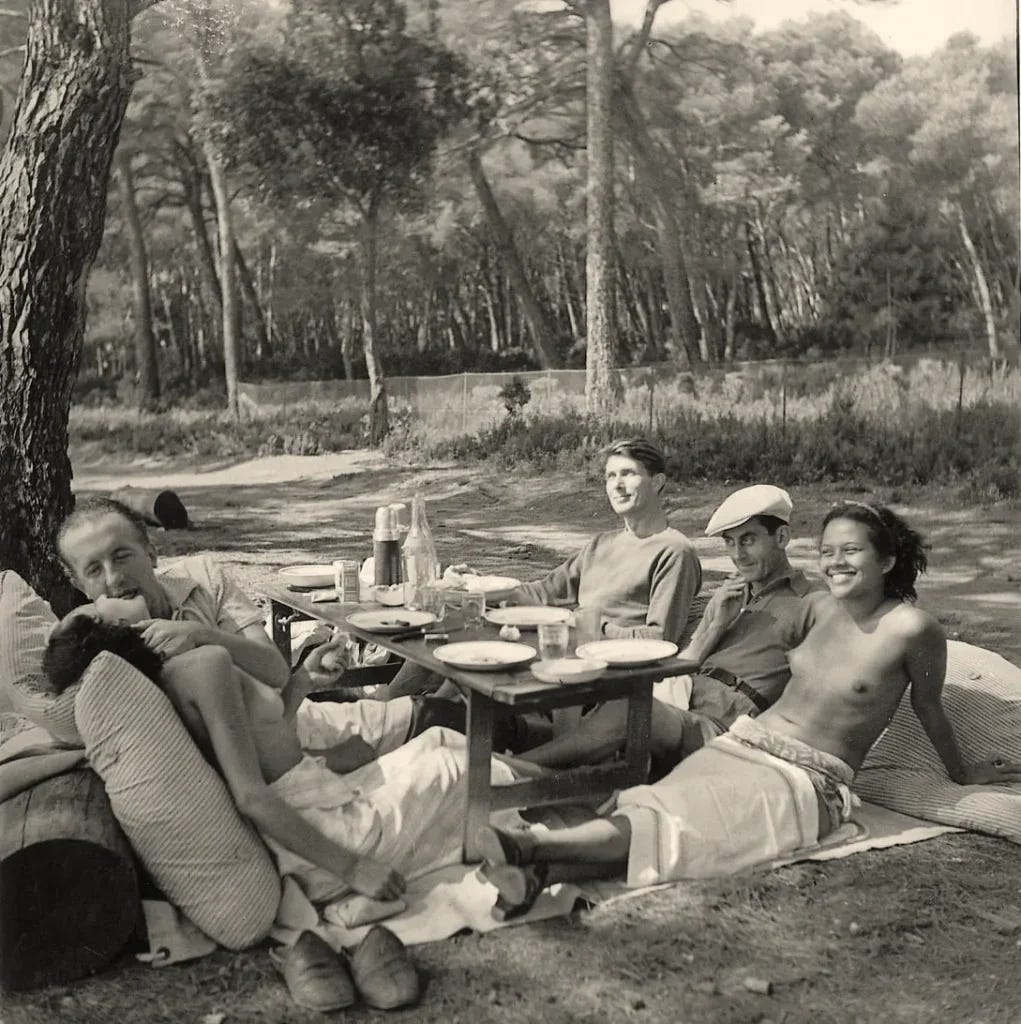
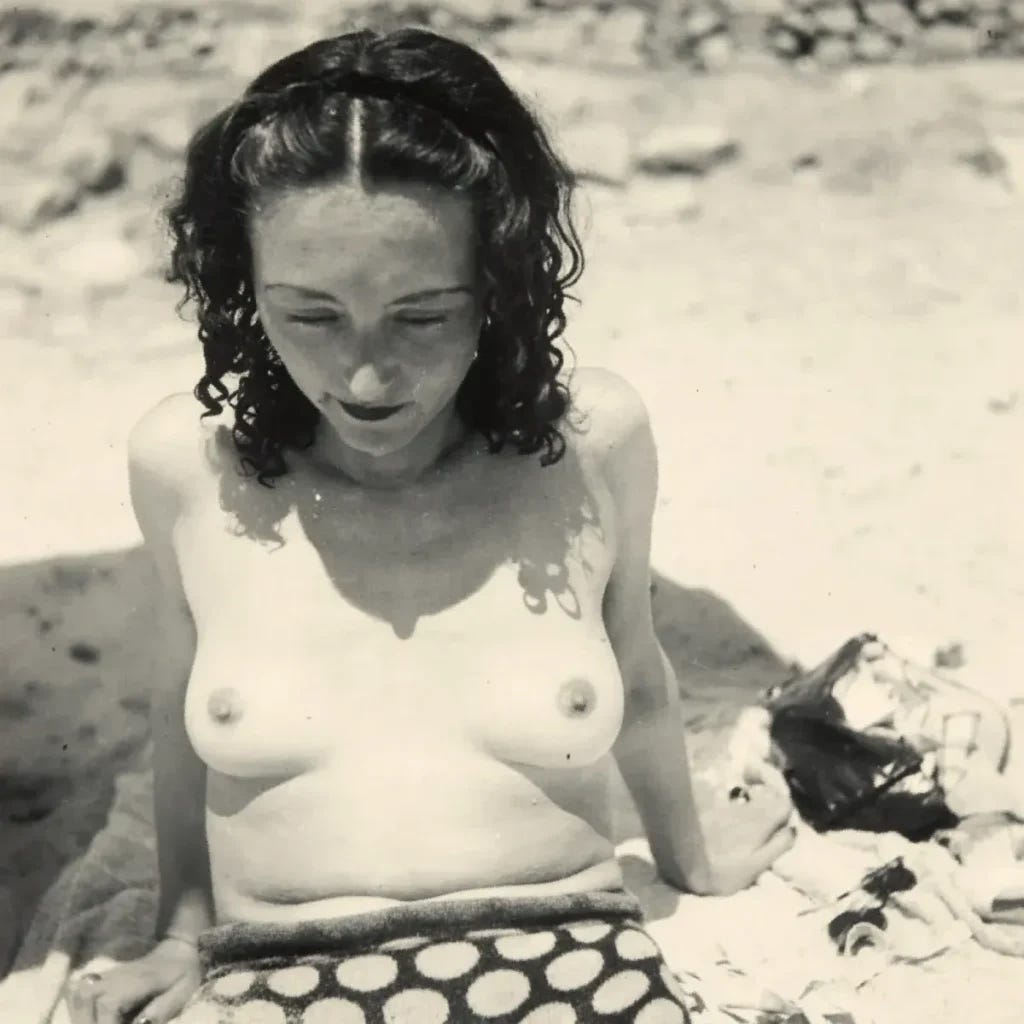
During these weeks in Mougins, Nusch moved between the various artistic personalities with remarkable ease. She posed for Dora Maar, conversed with Lee Miller, and served as a bridge between different creative temperaments. Her diplomatic skills proved as valuable as her photogenic qualities.
This hedonistic parenthesis ended brutally with rising perils in Europe. Nusch perhaps sensed that this carefreeness would not return. Witnesses from the era evoke her moments of melancholy—rare but intense—that pierced her usual optimism.
War, Love, and the Muse’s Role
The war declaration disrupted the Éluard couple’s existence. Paul was mobilized, and Nusch followed him in his military movements. After the defeat, they returned to occupied Paris. Éluard gradually entered the resistance, marking a turning point in their relationship.
Nusch truly became Éluard’s muse during these dark years. The poet drew from his love for her the strength to resist. His collections from this period constantly celebrated the beloved woman. Nusch inspired Poetry and Truth 1942, then At the German Rendezvous. Her presence nourished the resistant poet’s creativity.
A Surrealist Paradise on the Brink of War
Step into the summer of 1937 in Mougins, where Picasso, Lee Miller, and Man Ray created a surrealist paradise on the brink of war. Discover the story.
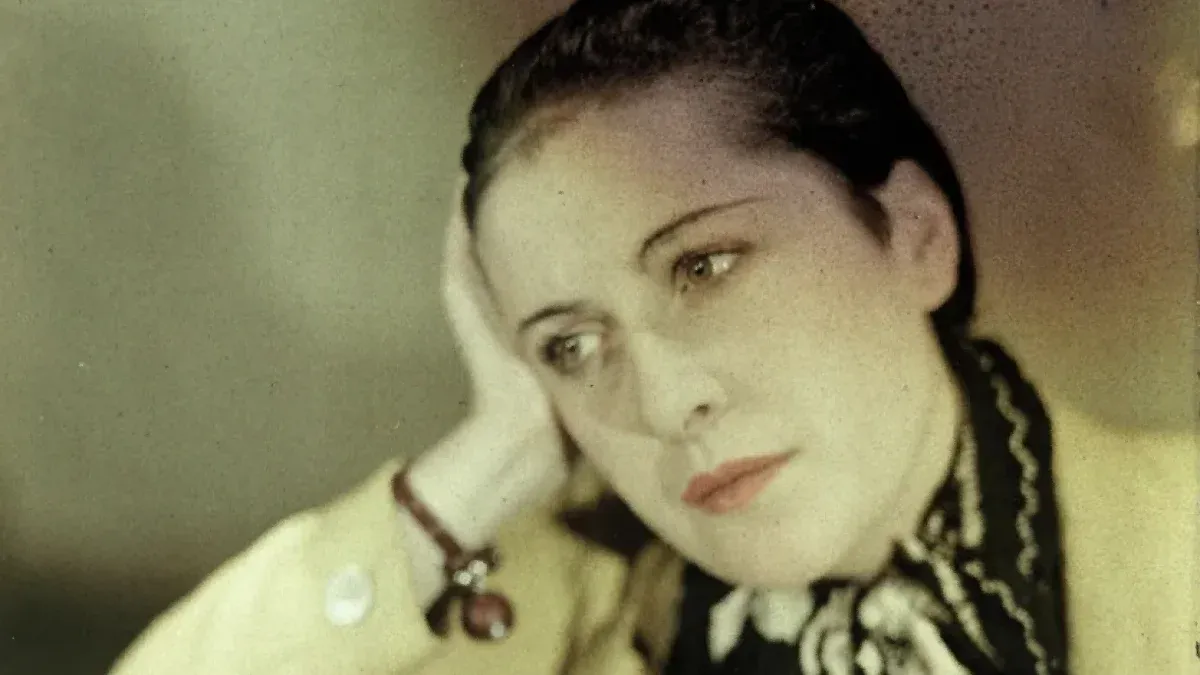
This passionate relationship revealed an unknown aspect of Nusch. She morally supported a man weakened by History. Éluard, of delicate health, found in her an inexhaustible source of vitality. Nusch compensated with her vital force for her husband’s physical failings.
Their correspondence from this era testifies to profound intimacy. Éluard wrote Nusch love letters of rare intensity. He celebrated her capacity to transform reality through her mere presence. This transfiguration of daily life through love became the obsessional theme of his late poetry.
Paul Éluard wrote about Nusch: “You have all the sun and all the rain. You alone know how to be the beautiful weather after the storm, the clearing in the forest of my doubts.” This quote captures the transformative power he attributed to her presence in his life.
The Brutal End: A Life Cut Short
On November 28, 1946, Nusch Éluard died suddenly from a cerebral hemorrhage. She was forty years old. This sudden death struck by its absurd character—nothing had foreshadowed it. Nusch embodied life in its fullness, and her disappearance constituted a denial of this evidence.
Paul Éluard never recovered from this loss. The man who had sung of absolute love found himself confronted with absolute
despair. His poetry, once brimming with devotion and adoration, now became a mirror of unfathomable grief. The void left by Nusch Éluard permeated every fiber of his existence, and her absence lingered not just in his personal life but also in his artistic expression.
Lee Miller’s Untold Story: From Vogue to the Void of War
She was a model, a muse, and a fearless war photographer. Discover the extraordinary life of Lee Miller, who captured history through her unflinching lens.
Through his later works, Paul grappled with the paradox of human fragility and the eternal nature of love. His verses transformed into elegies, hauntingly beautiful in their sorrow, as he sought to immortalize Nusch’s essence. The woman who had been his muse, his partner, his anchor, now existed only in memory and on the pages of his writing—where her presence remained both spectral and vivid.
This profound loss irrevocably altered Paul Éluard. Love had once been his solace, the vibrant reason for his visions, yet without Nusch, even love seemed fragile. The poetry of Paul Éluard serves as both testament and tribute to the enduring way a deep connection can persist even in the face of immeasurable loss. Such was the bittersweet legacy she left intertwined with his, a narrative of love and loss that remains poignant to this day.
Source : Nusch Eluard diaphane égérie, icône surréaliste ? Nusch...Indiscernable !
Publication date : September 5, 2025
Author : Thierry Grizard